From Big Pink to The Last Waltz
They were called, simply, The Band: partly a joke, partly the plain truth. For years they had been somebody's band, first Ronnie Hawkins' band, then Bob Dylan's band. By the time they stepped out under their own name in 1968, four Canadians and one Arkansan had quietly invented a new way of playing American music.
The Hawks
The roots go back to the late 1950s and early 1960s, when rockabilly singer Ronnie Hawkins assembled a crack backing group called the Hawks. One by one the future members joined, first the Arkansas drummer Levon Helm, then the Ontario players Robbie Robertson, Rick Danko, Richard Manuel and Garth Hudson.
Hawkins worked them mercilessly, and they became one of the tightest bar bands in North America. By 1964 they'd struck out on their own as Levon and the Hawks.
Going electric with Dylan
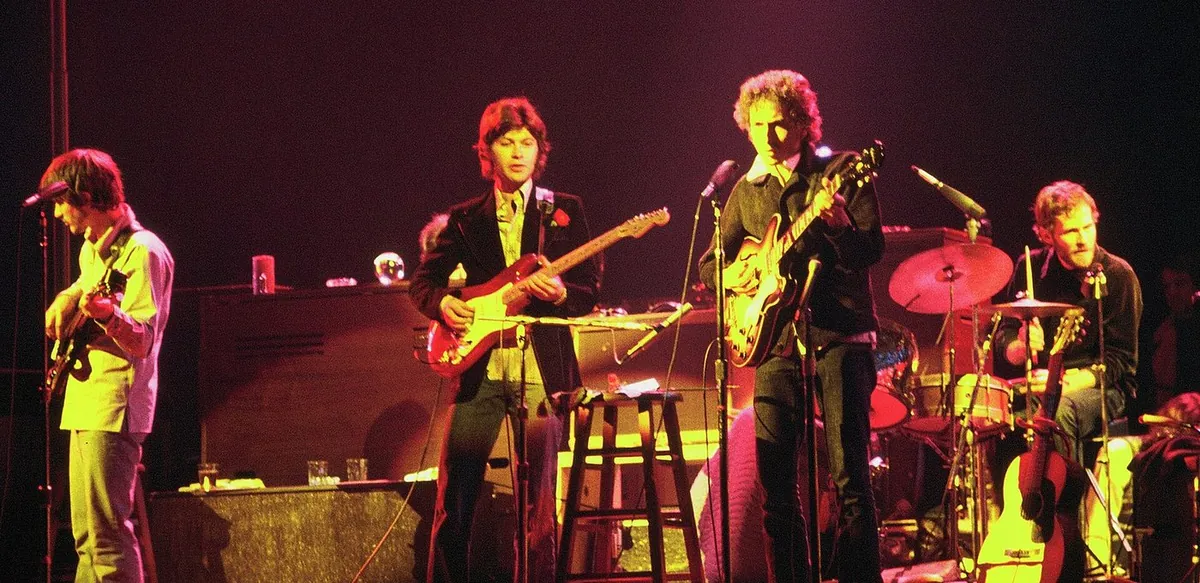
In 1965 Bob Dylan, about to scandalise the folk world by plugging in, hired the Hawks as his touring band. The 1965–66 world tour is legendary: night after night, folk purists booed the electric sets, the so-called “Judas” tour. It was a brutal apprenticeship, and it bound them to Dylan for good.
Big Pink
After the tour and Dylan's 1966 motorcycle accident, the group followed him to the countryside around Woodstock, New York. Several of them moved into a plain pink-sided house in West Saugerties they nicknamed “Big Pink.” In its basement, they and Dylan recorded the loose, mysterious sessions later released as The Basement Tapes, and there the group found its own voice.
That voice arrived fully formed on Music from Big Pink (1968), with “The Weight,” “Tears of Rage” and “I Shall Be Released.” A year later came The Band (1969), “The Brown Album,” a near-perfect record of American myth and memory, home to “The Night They Drove Old Dixie Down” and “Up on Cripple Creek.” Together the two albums made them critics' darlings and a musicians' band.
The unravelling
Fame, exhaustion and hard living took their toll. Stage Fright (1970) and Cahoots (1971) had high points but lacked the early magic; addiction crept in, and the songwriting credits, almost all to Robertson, began to sow lasting resentment, especially with Helm. A late creative peak, Northern Lights – Southern Cross (1975), proved they still had it. But Robertson had decided he was done with the road.
The Last Waltz, and after
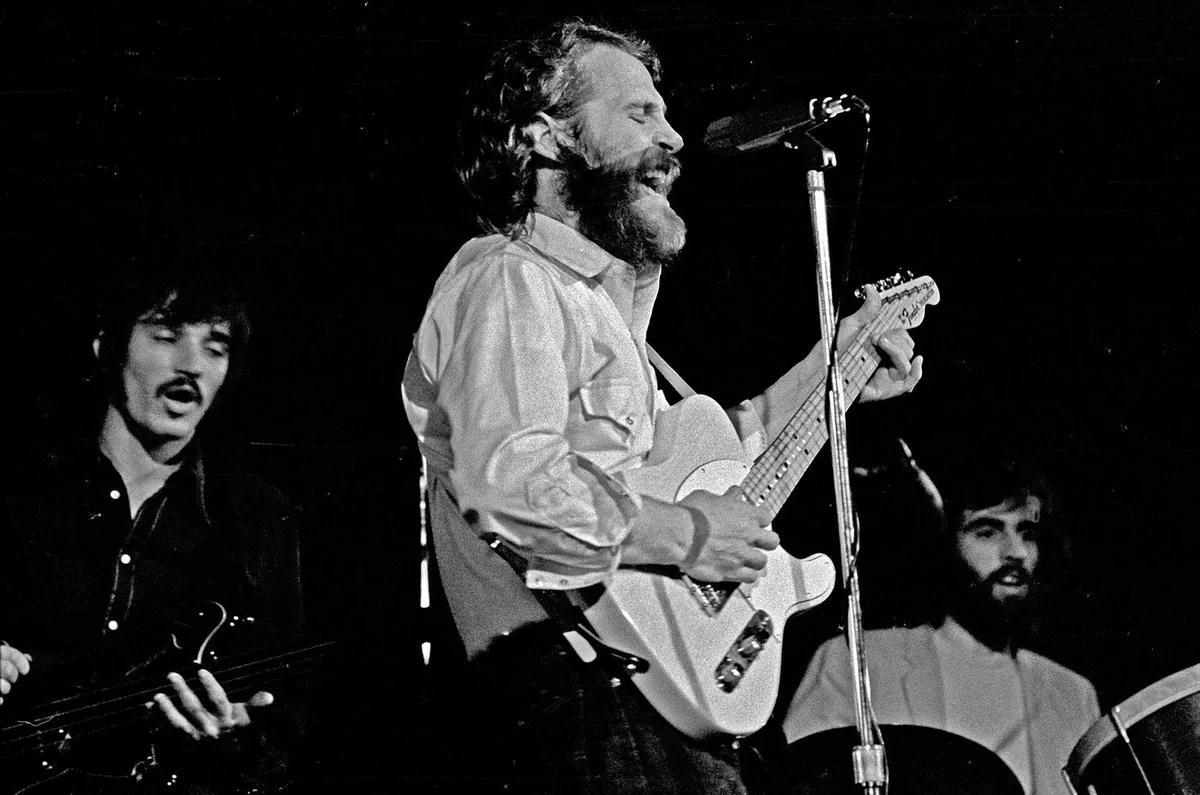
On Thanksgiving 1976 they staged an extravagant farewell concert, filmed by Martin Scorsese as The Last Waltz. It was meant to be a glorious full stop. Instead it became a fault line: the others later reformed in the 1980s without Robertson. Richard Manuel died in 1986, Rick Danko in 1999, Levon Helm in 2012, Robbie Robertson in 2023, and Garth Hudson, the last man standing, in January 2025.
The records still sound the way they always did. Read on through the songs, the records, and the five players who made them.